


Dear Danielle,
As people leaders, often above all else, our priority is to ensure there’s stability on the team. We want people to stay for as long as possible. Durable team structure, enduring relationships, institutional knowledge and context, team dynamics and culture, peer retention: the list of benefits goes on.
Stability can also be quite beneficial politically. When everything changes but you, you and your team become the constant in the business. You become the go-to for said institutional knowledge and context. Stakeholders rely on you for continuity, an underrated yet critical component for the business when UX is the one team that focuses on driving customer empathy above all else.
Over the years I’ve enjoyed being that constant. But I’ve come to realize the stability I was protecting wasn’t always for my team. Sometimes it was for me.
The level of comfort and safety that comes with this stability can be dangerous. We fall into old routines, habits and worse yet, complacency. We tell ourselves “don’t fix what’s not broken.” The problem with this adage is that we often mistake comfort and stability for effectiveness. We prioritize the comforts of individuals and our own teams over what’s actually right for the people, the product and the business.
Picture someone who’s been on your team for years. They’re great at their job, everyone relies on them, and yet they’ve quietly hit a ceiling. They know it and you know it. The easy move is of course to keep them. They’re reliable, they know everything, and losing them would hurt.
And that’s exactly why keeping them can be the wrong call.
My hot take is this: keeping people on the team for the sake of comfort and stability is a selfish thing to do for a leader.
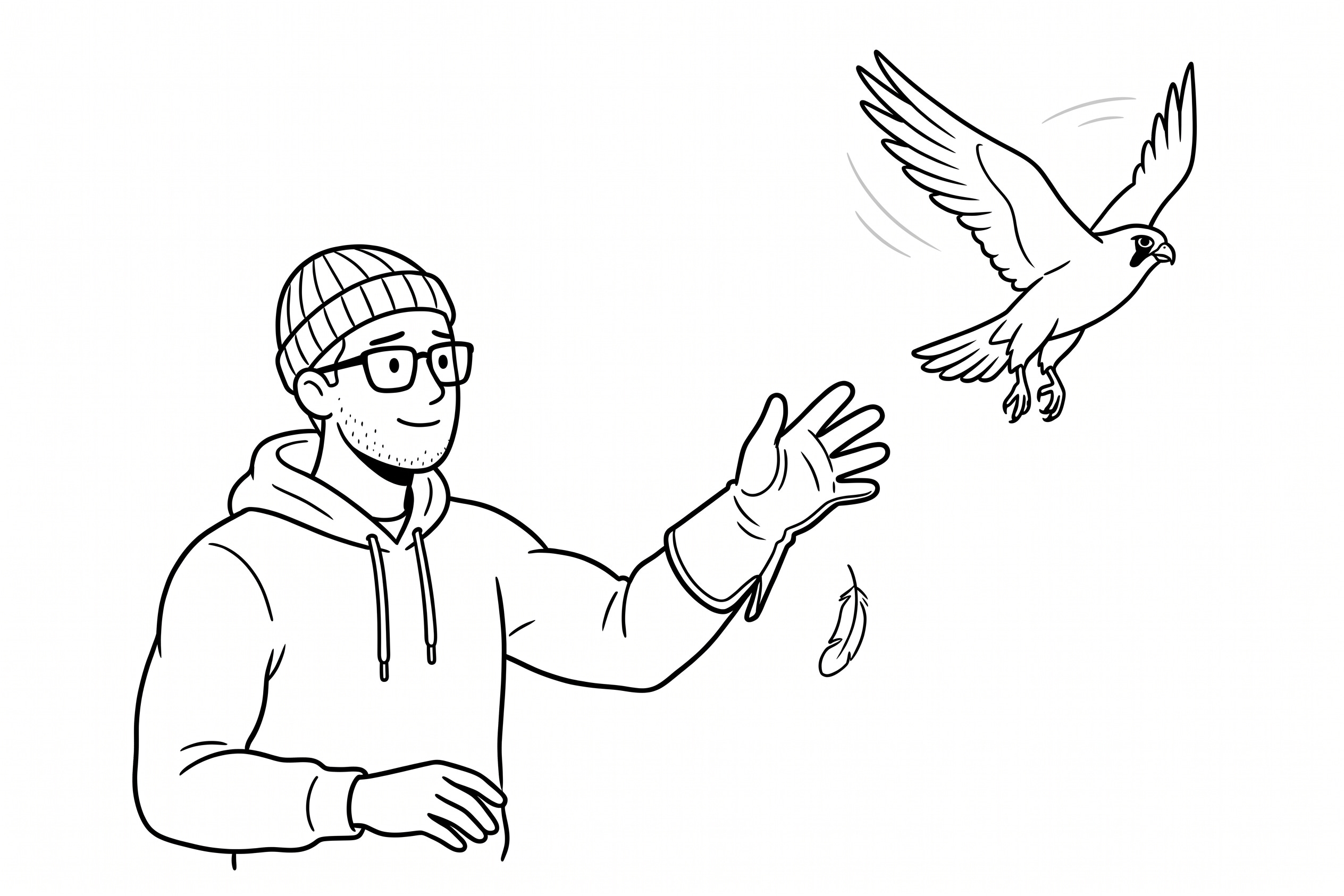
Instead of sitting in the comfort zone with the rest of the team, we as leaders should be actively encouraging and acting on change. That means coaching at both the individual and team level, encouraging people to explore other options when there’s no longer a fit, or simply when that’s the best path for their long-term career growth.
For the cynics out there: this isn’t about triggering change for the sake of it, or about managing people out. It’s about being honest with people sooner than is comfortable. As hard as it is, being a leader often means being the one to start the tough conversation.
The practical and human side of change isn’t lost on me. When people leave, leaders have the not-so-fun task of figuring out backfill plans, hiring, onboarding new people, etc. None of it trivial. For individuals, leaving a known role, team and culture is scary! You have to build everything from the ground up again, rebuild relationships, re-establish credibility, and integrate into an existing team and company culture that you have to learn. But fear isn’t the right reason to not do something, especially when there is a clear upside.
There are no formulas for this. But a few questions can help tell the difference between stability and stagnation, so you know when it’s the right time to think about change.
If you are a people leader, some questions to ask yourself are:
Am I keeping this person because they’re good for the team, or because they’re good for me?
When did I last have an honest career conversation with each person, not just a performance one?
Do I have the right talent mix on the team to get to where we want to go?
If you are an IC, some questions to ask yourself are:
Am I aligned with the company and product vision, and do I see a path for where we are going?
Can I continue to grow on this path?
Can I upskill myself or realign my skillset to help the team and company get there?
At the end of the day, we are all human. Our natural instinct is to resist change, whether that’s our own or around us, so we prioritize safety and comfort, even when we know it’s time for a change. Yes, change is uncomfortable, but it’s the only way for us to grow in the long term: for the individual involved, for the team and for the business.
When these changes happen, you’ll likely feel two things at once. Sad, because change is emotional. And genuinely happy, because someone you care about is finally betting on themselves.
From feeling optimistic about the future,
Dave