


Dear Danielle,
Lately I’ve been thinking a lot about the artifacts we make for internal stakeholders, and whether we’re applying the usability rigour we apply to the products we ship to external customers.
Collectively as a product, design and engineering org, we obsess over who our customers are, what they need, what competitive products they already use, and how we can solve their challenges better. We painstakingly test and retest concepts and prototypes to make sure the product is highly usable, study what messages resonate, and partner with our Marketing and GTM friends to devise a plan that makes it all stick in market, all in the hopes of finding that ever-so-elusive product/market fit for new features that propel us to the next level of growth.
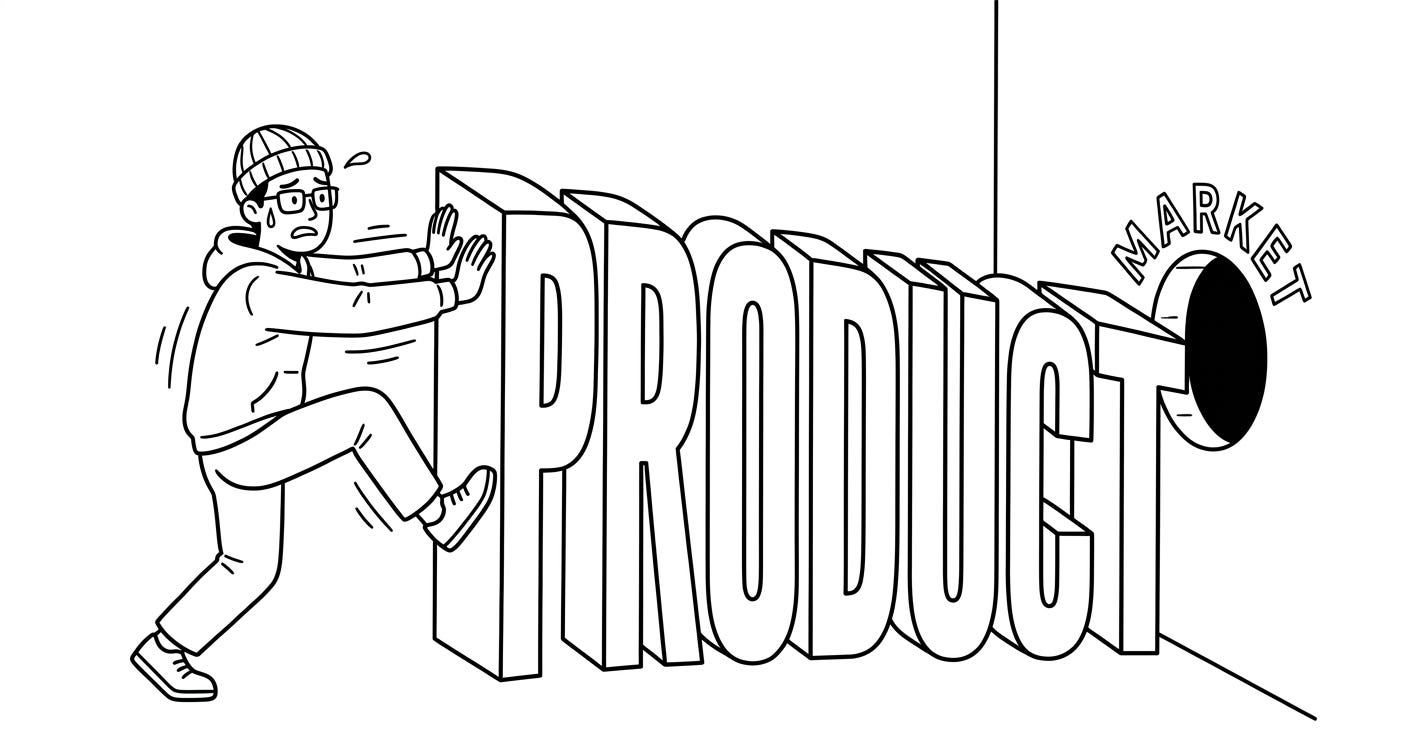
Yet we don’t apply that same care when we make artifacts for internal use. Many teams still view artifacts as outputs to send out for people to read, instead of products we ship for people to use. Even the language we use, artifacts, sounds inactive, whereas a product is something someone else has to actually use, and use well, for it to have done its job.
Take personas as an example. Everywhere I’ve worked, there are two main “target consumers” for personas. Managers and ICs treat them as a detailed instruction manual, build work off them and rely on them to steer roadmap direction. These folks need the details. Then there’s leadership: the directors and VP-and-above folks who just want the headline. They want a high-level understanding of who these personas are, enough to remember a thing or two and speak to them with confidence. Nothing more, nothing less.
Yet most research teams make one single version, built for one audience’s use case and consumption style. Most personas are incredibly dense infographics with accompanying documents that feel like academic research papers. The usability leaves a lot to be desired.
In many ways, AI has worsened this problem. We can now vibe-code a slide, a doc, a dashboard in the time it used to take to write an outline. That’s been genuinely helpful in so many cases. But most of the people building these things were never trained to think about usability, hierarchy, or who’s actually going to read this and how. With AI, more people can create artifacts faster than ever, but the audience-awareness our job still demands didn’t scale with it.
I’m not advocating for weeks and months of usability research on “onboarding_flow_dashboard_v5_final_final,” or a full-fledged GTM motion so every person in the org can recite the marketing copy. But a version of that thinking, scaled down, would go a long way: who is this actually for, what’s the one thing they need to walk away knowing, is this the right format for how they’ll consume it, and is now the right time to send it or is it competing with six other things in the chaotic land that already is Slack?
We UXers already know how to build something a customer trusts enough to come back to; the people we work with every day should get that same care. Not only does that help differentiate us and highlight our strengths, but being better understood and getting more buy-in also translates to better customer outcomes down the line.
From reading an email that really should be a meeting,
Dave
Great post! Have you listened or read anything by Dart Lindsley/Chris Metcalfe/Luke O’Mahoney? They use product principles for people practices and look at work as a product. I love their thinking around this and see it as being a great way to design for your internal customers.