


Dear Danielle,
A couple of weeks ago I had the pleasure of hosting Research Roundtable Toronto alongside the wonderful Eve Cuthbertson and legendary Judd Antin. Eve led a thoughtful discussion on “Reciprocity”, and I led one on “Research Transparency”.
The premise I laid out was simple: UXR teams should be more transparent. Not only with their outputs, but with the end-to-end process—from project planning to writing the discussion guide to tagging & synthesis to inviting stakeholders to sit in on customer interviews.
As expected, in a roomful of researchers and research leaders, it was a polarizing topic that generated much debate.
And I think a lot of the polarization is driven by fear.
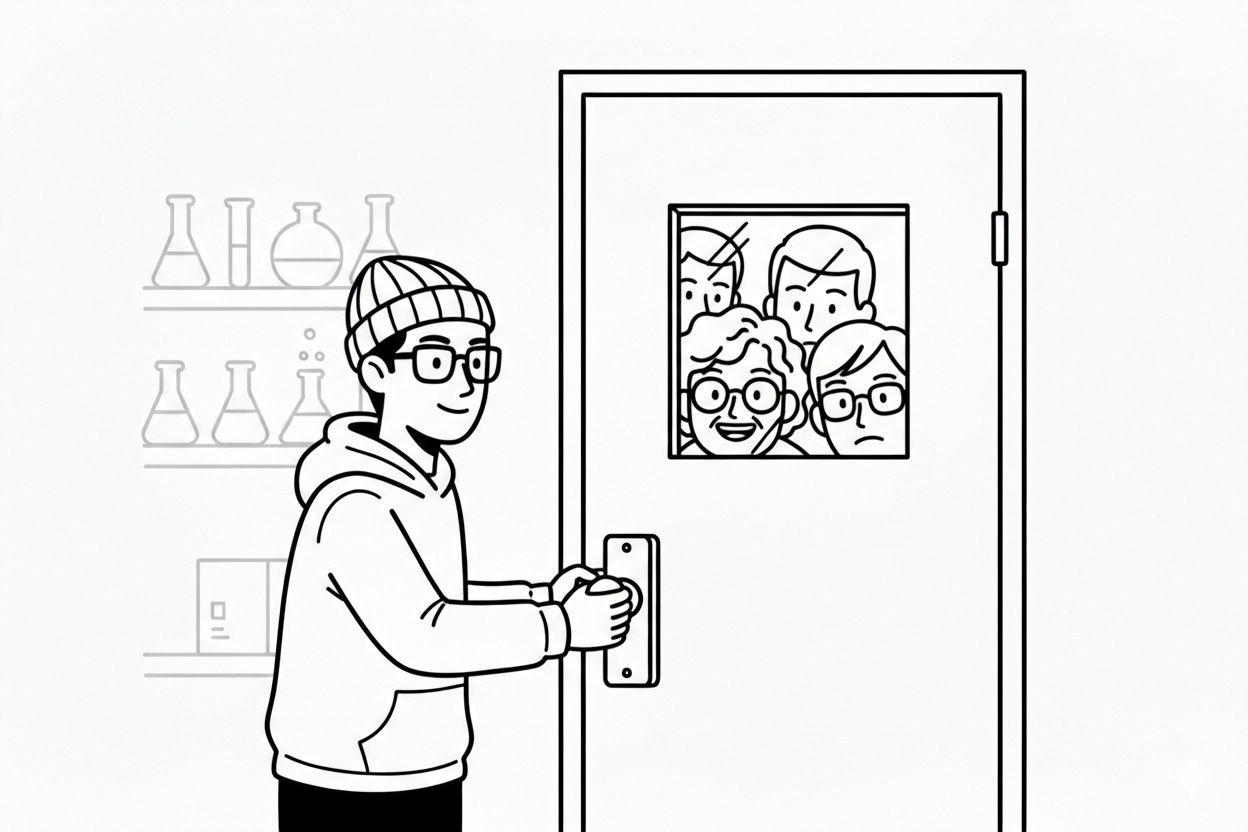
I get it. Opening up your research process is scary and risky! You’re inviting more opportunities for feedback—whether on discussion guides, synthesis boards, research methods, or findings. This inadvertently creates more back-and-forth to address comments, longer timelines you need to plan around, and sometimes anxiety for researchers dealing with higher volumes of feedback.
But also, if we’re being honest, I think a lot of that fear is about losing control.
Losing control over what’s “ours”—our methodology, our tooling, our domain expertise, our understanding of customers, and our unique skillset.
The fear that losing all of that leads to us and our teams being made irrelevant, obsolete, and eventually without jobs. And that’s hella scary!
But many researchers are failing to understand, or refusing to, the reality that non-researchers are doing research with or without us. They may not be doing what we UXRs consider the “best” research, but research is happening.
And now with the proliferation of LLMs and AI research tools, it’s easier than ever for PMs, designers, PMMs, and even our engineering friends to do research. In fact, we’re seeing these disciplines collapse in on each other. While we may be fearful of our skillsets being cannibalized, we’re all in this boat together now and we need to learn to share our skills.
So instead of thinking “yours” vs “mine”, let’s think “research is ours.”
Because the benefits of transparency far outweigh the risks.
Transparency builds trust, and trust strengthens relationships between UXR and our stakeholders. When we share not just final outcomes but involve them early and often in the process itself, our stakeholders feel like part of the research team—and we feel like part of theirs. This creates a positive cycle: they involve us earlier in planning, strategy, and roadmap conversations, which gives us crucial context that improves our work quality, which ultimately benefits everyone.
Transparency also helps build research competencies across the organization. PMs become more capable of running simpler studies on their own, where UXRs can enable rather than execute. This frees up UXR capacity to focus on research that truly requires our specialized expertise and helps the organization distinguish good research from bad.
I don’t want to dismiss the risks—they’re real. But they’re also manageable, and the upside is significant. By being transparent, you open doors to collaborate on higher-impact work, get pulled into strategic conversations earlier, and ultimately expand your influence beyond what any guarded research practice ever could.
From snoozing a Slack reminder for the 15th time,
Dave