


Dear Dave,
What problem are you solving?
Is this a solution looking for a problem?
If you’re hearing these questions, you’re probably in the sacred space of a design critique. I’ve asked and been asked them countless times, each time creating space to check that the work is worth doing, because it will mean something to the people we do it for.
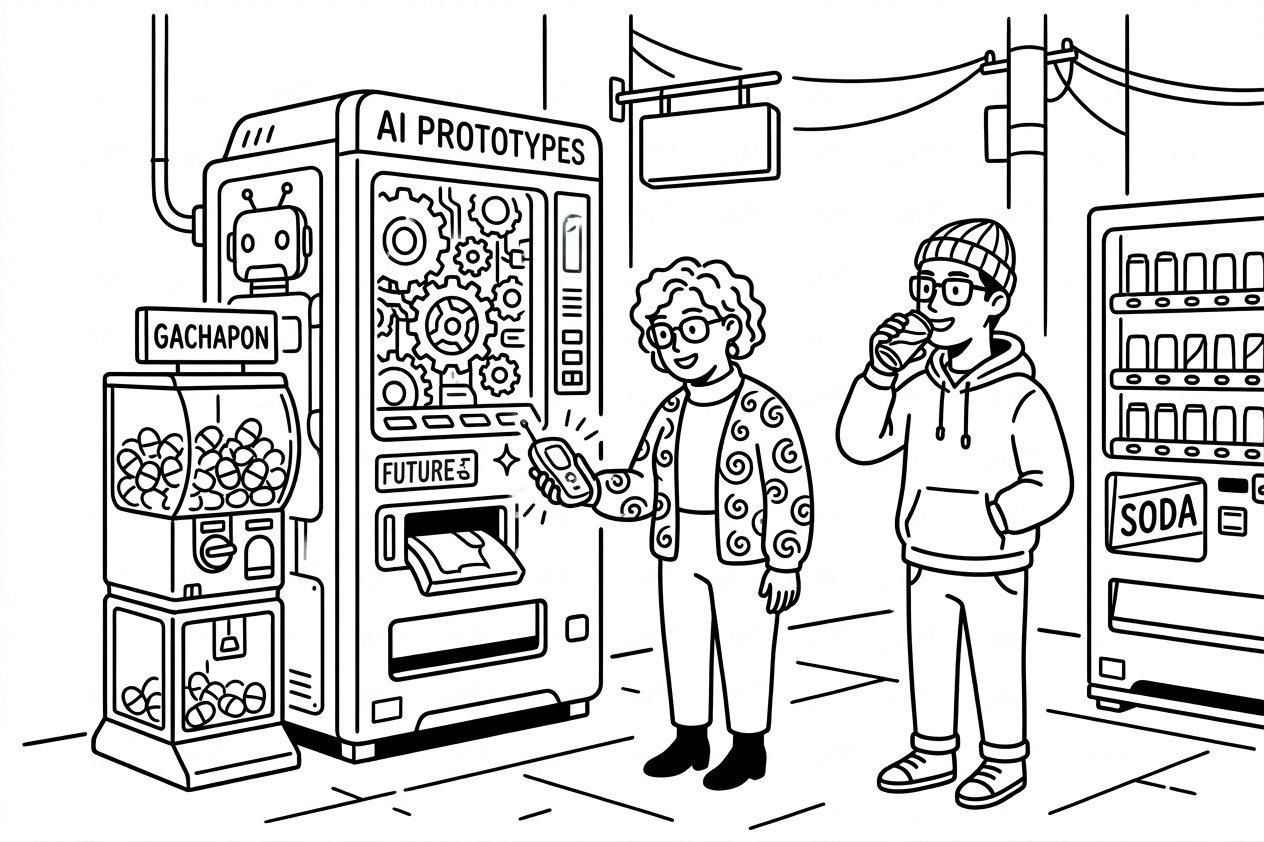
For a long time the UX community has collectively preached the doctrine of problem-solving as the heart of human-centred design. And yet solutions without problems have always been a formidable opponent with deep allure. New technology, cool ideas, sleek hackathon demos; prototypes proliferate into features we wind up chasing, finding evidence to support them along the way.
Here we are now in a world of solutions, with AI moving prototyping to step one of the design process. I don’t think this changes our core value, but it does sharpen the question of where that value actually lives.
There’s a false dichotomy in the idea that experimentation, visual craft, and sweating interaction details is somehow separate from problem-solving. These are different ways of solving different problems, like making interfaces feel human, satisfying, and yes, delightful. Especially in a world of enshittification, that is (and always has been!) a nontrivial problem. What we’ve truly always cared about is doing work that matters: work that makes our users’ lives better and treats their time with care. Inherent in that is asking — who is this for? What do they need? How might they be feeling when they get there?
If we’re all builders now, what differentiates us is the point of view we bring. We can’t stop our cross-functional partners from building, and we shouldn’t, not only because we’d be total party poopers, but because there’s genuine value in their perspective too. Tension between disciplines has always been part of the work, and it makes the work better when our ideas have to win out over others.
That’s not to say adapting is easy. UX strategy and user research are as critically important as ever. The design process has always been adaptable done right — grabbing the pieces we need, leaving behind the ones we don’t, moving at the speed demanded by the problem at hand.
When I’m asked what attracted me to UX, I always say some version of: solving real problems for real people. Hearing from a customer that something is a bit better, or even gives them joy. That’s what I build for.
So bring on the solutions. I guarantee people will keep bringing the problems.
From having a sudden critique flashback mini panic,
Danielle